Have you already mastered the “Top 50 Frequently Used Kanji“? Great! Now, let’s move on to the next step. Here, we’ve put together a list of the next 50 most important kanji for you to learn.
This list was carefully curated by a native speaker, taking into account factors such as frequency, the difficulty, and how useful they are for Japanese learners. We also referred to the “Frequency of Kanji Usage Survey” conducted by the Agency for Cultural Affairs.
You can download this list for free as a PDF file.
Frequently Used Kanji List 51-100
If you’re a completely beginner and just starting to learn kanji, begin with the “First 50 Kanji to Learn.”
Kanji Related to People
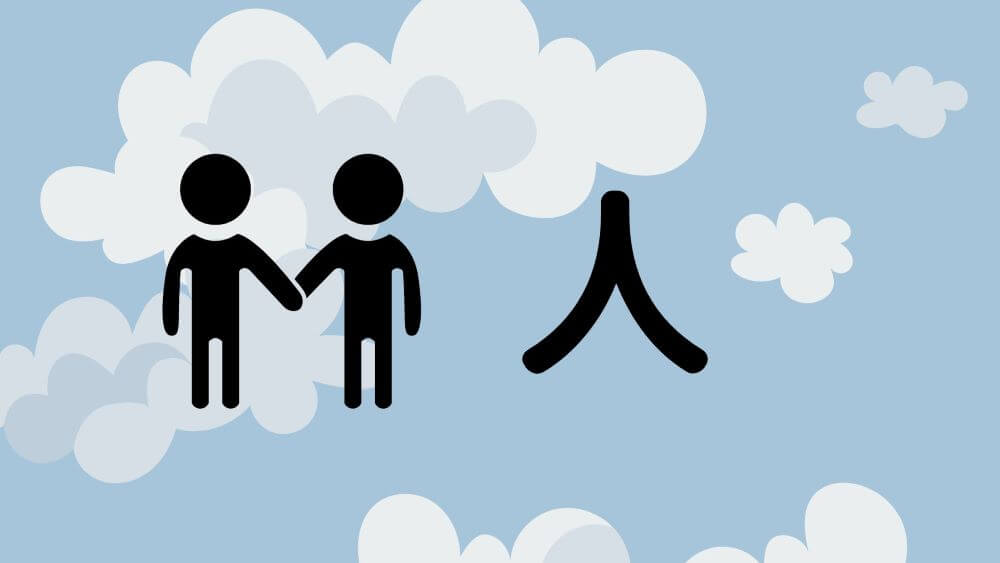
| Kanji | On’yomi | Kun’yomi | Meaning | Examples |
|---|---|---|---|---|
| 父 | fu | chichi | father | 人間(ningen) – human あの人(ano-hito) – that person |
| 母 | bo | haha | mother | 私立(shiritsu) ‐ private (establishment) 私達(watashitachi) – we |
Kanji Related to Body
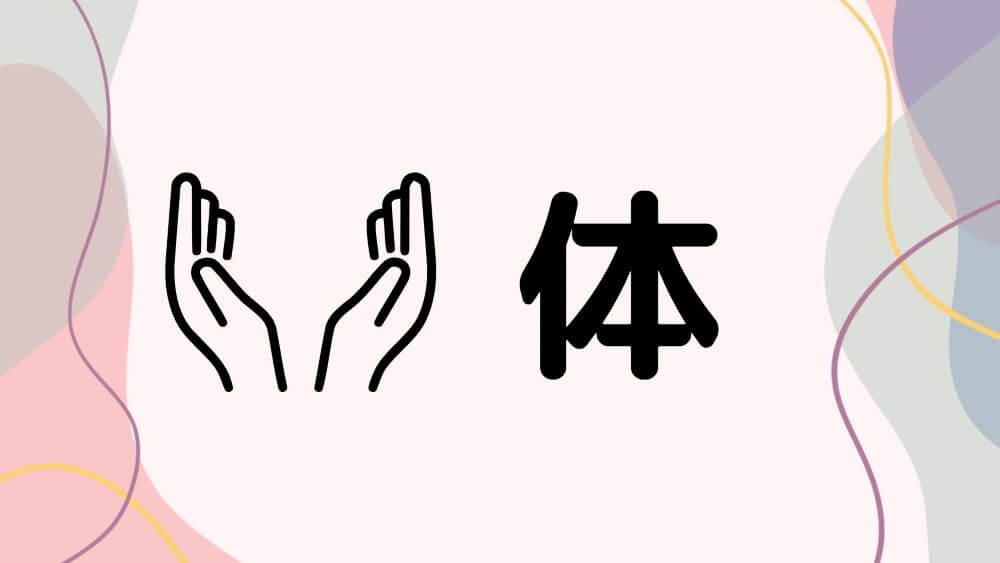
| Kanji | On’yomi | Kun’yomi | Meaning | Examples |
|---|---|---|---|---|
| 耳 | ji | mimi | ear | 耳 (mimi) – ear 耳鼻科 (jibika) – otorhinolaryngology |
| 手 | soku | ashi | leg, foot | 足 (ashi) – leg, foot 遠足 (ensoku) – excursion |
Kanji Related to Directions and Places
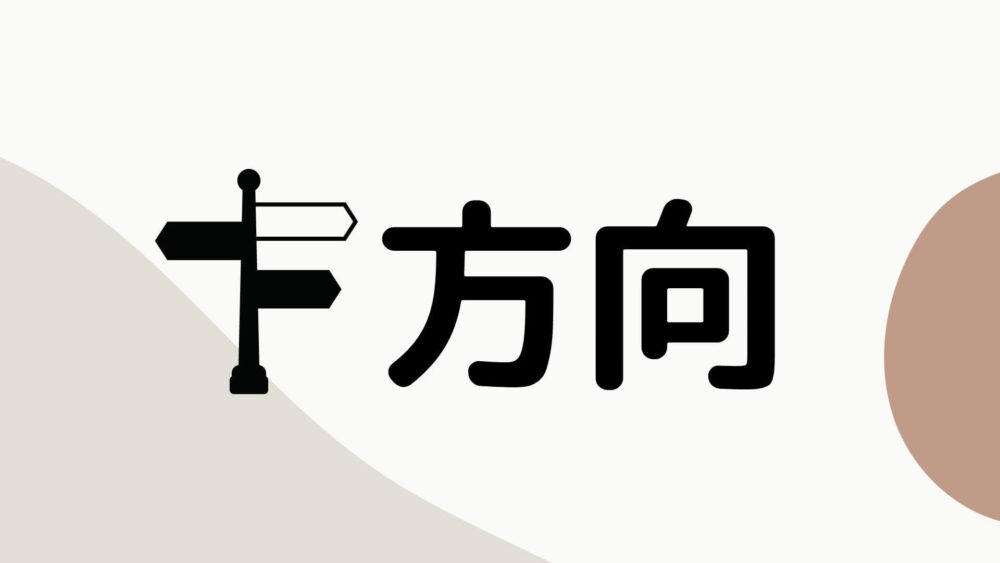
| Kanji | On’yomi | Kun’yomi | Meaning | Examples |
|---|---|---|---|---|
| 方 | hou | kata | direction, person | 方法 (houhou) – method 味方 (mikata) – ally |
| 東 | tou | higashi | east | 東 (higashi) – east 東京 (toukyou) – Tokyo |
| 西 | sei, sai | nishi | west | 西 (nishi) – west 西洋 (seiyou) -western |
| 南 | nan | minami | south | 南 (minami) – south 南極 (nankyoku) – Antarctica |
| 北 | hoku | kita | north | 北 (kita) – north 北海道 (hokkaidou) – Hokkaido |
Kanji Related to Actions
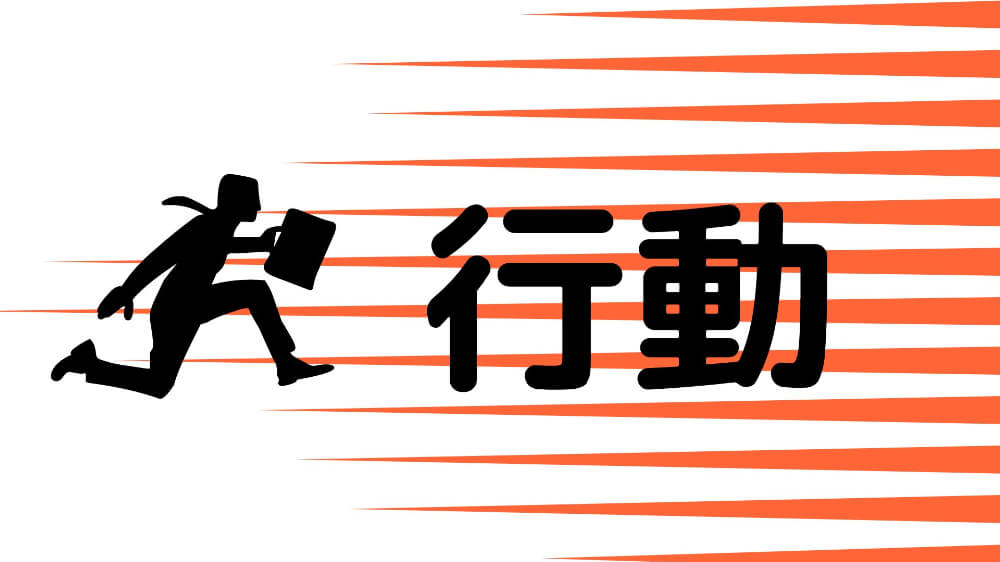
| Kanji | On’yomi | Kun’yomi | Meaning | Examples |
|---|---|---|---|---|
| 立 | ritsu | ta(tsu) | stand | 意立つ (tatsu) – to stand 立場 (tachiba) – standpoint |
| 休 | kyuu | yasu(mu) | rest | 休む (yasumu) – to rest 休日 (kyuujitsu) – holiday |
| 話 | wa | hana(-su) | talk, story | 会話(kai-wa) – conversation 話す(hana-su) – to talk, to speak |
| 書 | sho | ka(-ku) | write | 辞書(ji-sho) – dictionary 書く(ka-ku) – to write |
Kanji Related to Nature
| Kanji | On’yomi | Kun’yomi | Meaning | Examples |
|---|---|---|---|---|
| 土 | do | tsuchi | earth, soil | 土曜日 (doyoubi) – Saturday 土 (tsuchi) – soil |
| 川 | sen | kawa | river | 川 (kawa) – river 川岸 (kawagishi) – riverbank |
| 田 | den | ta | rice field | 田んぼ (tanbo) – rice field 田舎 (inaka) – countryside |
| 地 | chi, ji | earth, ground | 地図 (chizu) – map 地面 (jimen) – ground | |
| 石 | seki, koku | ishi | stone | 石 (ishi) – stone 石油 (sekiyu) – petroleum |
| 雨 | u | ame | rain | 雨 (ame) – rain 雨季 (uki) – rainy season |
| 夕 | seki | yuu | evening | 夕方 (yuugata) – evening 夕日 (yuuhi) – sunset |
| 花 | ka | hana | flower | 花 (hana) – flower 花火 (hanabi) – fireworks |
Kanji Related to Numbers
| Kanji | On’yomi | Kun’yomi | Meaning | Examples |
|---|---|---|---|---|
| 四 | shi | yon, yo | four | 四月 (shigatsu) – April 四角 (shikaku) – square |
| 五 | go | itsu | five | 五月 (gogatsu) – May 五円 (goen) – 5 yen |
| 六 | roku | mu | six | 六月 (rokugatsu) – June 六つ (muttsu) – six (things) |
| 七 | shichi | nana | seven | 七月 (shichigatsu) – July 七日 (nanoka) – 7th day |
| 八 | hachi | ya | eight | 八月 (hachigatsu) – August 八百屋 (yaoya) – greengrocer |
| 九 | kyuu, ku | kokono | nine | 九月 (kugatsu) – September 九日 (kokonoka) – 9th day |
| 百 | hyaku | hundred | 百円 (hyakuen) – 100 yen 百年 (hyakunen) – 100 years | |
| 千 | sen | chi | thousand | 千円 (sen-en) – 1000 yen 千年 (sennen) – 1000 years |
| 万 | man | ten thousand | 一万円 (ichiman-en) – 10,000 yen |
Food
| Kanji | On’yomi | Kun’yomi | Meaning | Examples |
|---|---|---|---|---|
| 肉 | niku | meat | 肉 (niku) – meat 牛肉 (gyuniku) – beef | |
| 魚 | gyo | sakana | fish | 魚 (sakana) – fish 金魚 (kingyo) – goldfish |
| 米 | bei, mai | kome | rice | 米 (kome) – rice 南米 (nanbei) – South America |
Degree
| Kanji | On’yomi | Kun’yomi | Meaning | Examples |
|---|---|---|---|---|
| 安 | an | yasu(i) | cheap, peaceful | 安い (yasui) – cheap 安心 (anshin) – relief |
| 多 | ta | oo(i) | many | 多い (ooi) – many 多数 (tasuu) – majority |
| 少 | shou | suku(nai), suko(shi) | few, little | 少ない (sukunai) – few 少年 (shounen) – boy |
| 半 | han | half | 半分 (hanbun) – half 半年 (hantoshi) – half a year |
Other Kanji
| Kanji | On’yomi | Kun’yomi | Meaning | Examples |
|---|---|---|---|---|
| 合 | gou | a(u) | fit, match | 合計 (goukei) – total 合う (au) – to fit, to match |
| 火 | ka | hi | fire | 火曜日 (kayoubi) – Tuesday 火事 (kaji) – fire (incident) |
| 金 | kin | kane | gold, money | 金曜日(kinyoubi) – friday お金(okane) – money |
| 力 | riki, ryoku | chikara | power, strength | 力 (chikara) – power 努力 (doryoku) – effort |
| 校 | kou | school | 学校 (gakkou) – school 校長 (kouchou) – principal | |
| 家 | ka | ie, uchi, ya | home | 家族(ka-zoku) – family 家(ie) – home, house |
| 先 | sen | saki | before, ahead | 先生 (sensei) – teacher 先月 (sengetsu) – last month |
| 犬 | ken | inu | dog | 犬 (inu) – dog 子犬 (koinu) – puppy |
| 好 | kou | su(ku), kono(mu) | like, fond | 好き (suki) – like 好む (konomu) – to prefer |
| 物 | butsu, motsu | mono | thing, object | 買い物 (kaimono) – shopping 荷物 (nimotsu) – luggage |
| 車 | sha | kuruma | car, wheel | 電車(densha) – train 車(kuruma) – car |
| 元 | gen, gan | moto | origin, former | 元気 (genki) – healthy, energetic 元日 (ganjitsu) – New Year’s Day |
| 何 | nani, nan | what | 何? (nani?) – what? 何時(nanji) – what time |
When learning Japanese, it’s important to study in a balanced way, starting with the most useful and easiest elements. We’ve outlined the most efficient and effective learning steps in another article you might find helpful: Effective Japanese Learning: 13 Steps from Beginner to Pre-intermediate.
And don’t forget to download the kanji list too!